What Makes a Detroit Beat Hard Enough to Be Called a Hard Detroit Type Beat?
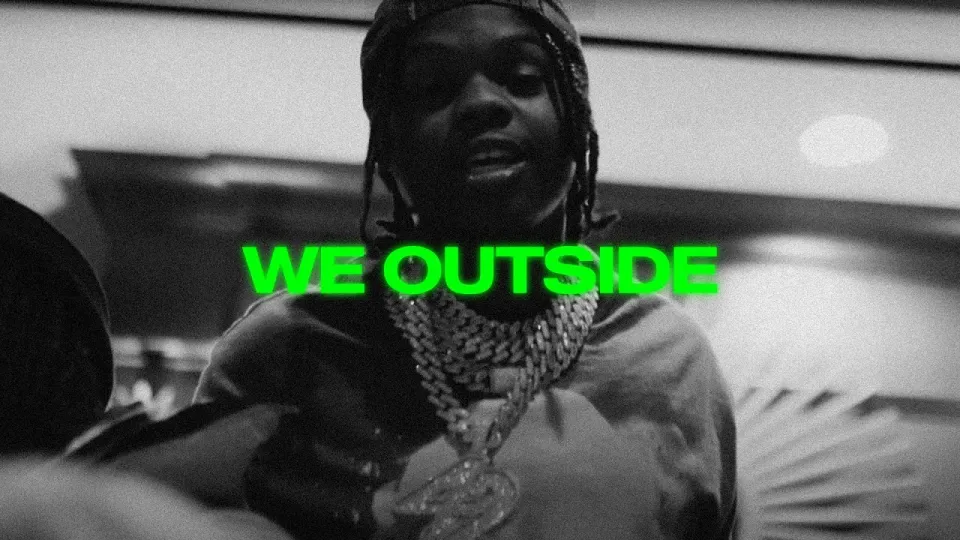
Video: (FREE) HARD DETROIT TYPE BEAT 2024 - "WE OUTSIDE"
Want articles like this for your own video to promote it on YouTube and Google? Order them through the Telegram bot @sat_sit_bot. The bot writes and publishes the articles itself (with your YouTube video embedded) on popular topical websites (no ads). Free trial — 50 articles.
A hard Detroit type beat is a rap instrumental built on aggressive drums, dark melodic loops and a heavy low end, usually in the 130–150 BPM range. It borrows the punch and energy of Detroit rap production and packages it as a ready-to-use beat for independent artists. The free hard Detroit type beat "WE OUTSIDE" from producer davegotbeats is a direct example, and you can grab it through the purchase/download link at bsta.rs/XPubtt.
What Defines the Detroit Type Beat Sound
The Detroit type beat sound is defined by contrast: sparse, often minor-key melodies sitting on top of drums that hit hard and a bassline that does most of the heavy lifting. Producers keep the arrangement open so a rapper has room to breathe, then fill the gaps with percussive detail. In practice, that means a simple piano, synth or sample loop, a punchy kick pattern, snappy snares or claps, and hi-hats that move faster than the main groove. The result sounds bigger than the sum of its parts, which is exactly why so many artists reach for this style when they want a track that feels immediate.
Tempo, Drums and 808s: The Technical Side
Tempo and drum programming are the first things to check when you want to know whether a beat qualifies as a hard Detroit type beat. Most tracks land in a range rather than one fixed number, and the feel matters as much as the BPM readout.
- Tempo: commonly 130–150 BPM. Some beats are written at half-time, so they read slower on paper but feel fast because of the hi-hat and snare placement.
- Kick: short, tight and often doubled or syncopated to create a bounce rather than a straight four-on-the-floor.
- Snare and clap: layered for weight, usually landing on the backbeat but sometimes displaced for a lurching feel.
- Hi-hats: fast patterns, occasional triplets and rolls, used as a rhythmic texture rather than just a timekeeper.
- Bass: sliding 808s or distorted sub-bass that follow the melody and give the low end its movement.
- Melody: dark keys, plucked synths or filtered samples, kept repetitive so the drums stay the focus.
When those elements line up, the beat sits comfortably under a vocal without fighting it, which is the practical test of a usable instrumental.
How to Use a Free Detroit Type Beat Without Getting Stuck
Using a free beat is straightforward as long as you understand what the license allows before you release anything. Free downloads are usually for practice, demos or non-monetized uploads, while streaming distribution on platforms like Apple Music and Spotify typically requires a paid or lease license. That distinction is the single most common source of confusion for artists picking up a beat from a YouTube description.
A simple workflow looks like this:
- Download the tagged or untagged file from the producer's link and write to it.
- Record your vocals and rough-mix the song to check whether the beat actually fits your delivery.
- Decide the release plan: practice, free upload or commercial distribution.
- If you plan to stream or monetize, buy the appropriate license and keep the receipt.
- Credit the producer in the title or description where the license requires it.
Skipping step four is how artists end up pulling a song down after it gains traction, which is a worse outcome than paying for a lease up front.
Common Questions Artists Ask Before Rapping on a Detroit Beat
Artists evaluating a hard Detroit type beat tend to ask the same handful of practical questions, and the answers are usually about fit and paperwork rather than the beat itself. The most frequent concern is whether the instrumental is genuinely free to use; the second is whether it is worth building a full song on a type beat at all.
On the first point, free and licensed are two different things. A beat can be free to download and still require a license for streaming, so read the description before you upload. On the second point, type beats are a normal part of independent rap: they give you a professional-sounding instrumental at a fraction of the cost of custom production, and plenty of artists use them to test a new flow or build a catalog quickly. The trade-off is that other artists may be using the same beat, so your performance and mix have to carry the record. If the beat fits your voice and you handle the license correctly, there is no real downside.
Where the "WE OUTSIDE" Beat Fits
The beat "WE OUTSIDE" from davegotbeats is a hard Detroit type instrumental released under a free-download model with a purchase option attached. The channel's description points buyers to a single purchase link, notes that a license is required for streaming on services such as Apple Music and Spotify, and offers a bundle of additional free beats through the producer's site. For an artist, that structure is useful: you can test the beat at no cost, then upgrade to a license if the song is worth releasing. The comment section on the upload shows the usual range of reactions, from producers praising the drums to listeners planning to record over it, which is typical for a beat that is meant to be used rather than just listened to.
Practical Checklist Before You Release Your Version
Before you publish a song over any Detroit type beat, run through a short checklist so nothing blocks the release later. Confirm the BPM and key so your vocal tuning and any additional instrumentation match. Save the original download file and the license document together in one folder. Check that your distributor accepts the beat's licensing terms, since some require proof of permission for the instrumental. Finally, credit the producer in the metadata or description as the license specifies. Handling these four items takes a few minutes and prevents takedowns, disputes and lost revenue after a track starts gaining plays.
The Bottom Line on Hard Detroit Type Beats
A hard Detroit type beat is less about one signature sound and more about a set of choices: aggressive drums, dark repetitive melodies, heavy 808s and enough space for a vocal. If you are looking for a starting point, the free hard Detroit type beat "WE OUTSIDE" from davegotbeats demonstrates the formula clearly, and the download and license options are available at bsta.rs/XPubtt. Grab the beat, check the license terms, and record something before the inspiration fades. This breakdown comes from the davegotbeats catalog, so treat the channel as your first stop for more instrumentals in the same lane.
Key takeaways
- Detroit type beats are a rap production style built on punchy drums, dark melodies and heavy low end.
- A hard Detroit type beat usually sits around 130–150 BPM, though half-time feels can push the perceived tempo lower.
- Typical drum choices are tight kicks, sharp snares or claps, fast hi-hats and occasional triplet rolls.
- The bass is usually a sliding 808 or a distorted sub that carries the low end under sparse, minor-key melodies.
- davegotbeats offers free beats and a paid license for streaming; the beat "WE OUTSIDE" is linked at https://bsta.rs/XPubtt.
Questions & answers
Is a free Detroit type beat really free to use?
Downloading is usually free, but the license decides how you can use it. Non-monetized practice or demo uploads are typically fine, while streaming on Spotify or Apple Music generally requires a paid lease or exclusive license. Always read the producer's description before releasing.
What BPM should a hard Detroit type beat be?
Most sit between 130 and 150 BPM, but the feel matters more than the number. Beats written in half-time can read slower while still feeling fast because of the hi-hat and snare patterns. Match your flow to the groove rather than forcing a specific BPM.
Can I release a song on a type beat and keep the royalties?
It depends on the license you buy. Standard leases usually let you keep a share of royalties while the producer retains ownership of the beat, and they often cap distribution or streaming numbers. Exclusive licenses transfer more rights but cost significantly more.
How do I know if a Detroit type beat fits my voice?
Record a rough verse over it before committing to a full session. If your delivery sits naturally in the pocket without fighting the drums or the 808 pattern, the beat fits. If you have to strain or rush words, try a different tempo or key.
Source: (FREE) HARD DETROIT TYPE BEAT 2024 - "WE OUTSIDE" · Markdown version